Loopy Pro: Create music, your way.
What is Loopy Pro? — Loopy Pro is a powerful, flexible, and intuitive live looper, sampler, clip launcher and DAW for iPhone and iPad. At its core, it allows you to record and layer sounds in real-time to create complex musical arrangements. But it doesn’t stop there—Loopy Pro offers advanced tools to customize your workflow, build dynamic performance setups, and create a seamless connection between instruments, effects, and external gear.
Use it for live looping, sequencing, arranging, mixing, and much more. Whether you're a live performer, a producer, or just experimenting with sound, Loopy Pro helps you take control of your creative process.
Download on the App StoreLoopy Pro is your all-in-one musical toolkit. Try it for free today.
I Wish to Make Music for Videogames, What to Do?

I apologize in advance for a longer thread, but hopefully this thread will be able to help me and others understand how to produce music for videogames.
Okay, so it wasn't for a lack of trying to search for advice on Google and Youtube. However, the advice I found through Google was rather lackluster at best and barely scraped the surface. Things like basic advice that I already know, like "use a DAW" and shit like that. Other things like Reddit threads were more like, "You got this. It's so simple."
Then, each search on Youtube brings me tutorial videos about creating Chiptunes. Sure, that's one genre of videogame music, but I want to make music for videogames, not necessarily "retro videogame music" (although I do enjoy a good Chiptune).
This whole desire to create such music was inspired by my Roland Sound Canvas thread, and it got me wondering how to go about composing music/what advice I can find. Right now, I'm not looking for advice for "breaking into the industry". I'm looking for music composing and production advice. So here are my questions...
Agnostic to what platform and DAW you used to produce the music on (whether iOS, Windows, Mac, tracker, etc), have you produced music for videogames before? If so, what projects did you work on that aren't under a non-disclosure agreement? What advice and knowledge would you give? Are there any sites/free online articles I may have missed? Any Youtube videos that have solid advice?
Here are my observations, which may or may not be correct. I'm open to correction, so here goes. I get the impression that I need to make my music one long loop, and that music genres are more of a construct to fit the vibe of whatever game genre is being developed. Examples - if a game is a retro styled game like Super Mario Bros, 8-bit would be the way to go. If it's a Cozy Game like Animal Crossing, a softer soundtrack. If it's anything like Splatoon 2, full on balls-to-the-wall EDM and DnB. Etc.
After messing with Roland Sound Canvas this morning thanks to Samu's excellent help, I got it running inside AUM with Xequence 2 driving the MIDI. Easy peasy for working the "old school iOS" way. However, I think I'm going to use Korg Gadget 3 for this exercise. I have all the gadgets, external apps compatible with Gadget, all the IAPs, etc that I've collected over the past 11 or so years of using Gadget, so I'm much more familiar with that workflow.
And, I bet some of the advice would be to actually listen to videogame music. I'm a step ahead on that one. I have a Nintendo Online annual subscription, and with that comes the robust Nintendo Music app. Nintendo Music is like Spotify for their videogame music. One cool feature of this app is I can extend most of the BG game music to as long as I want (up to an hour long). Another thing I observed is, as I previously mentioned, I noticed the many varied genres of BG game music in the Nintendo Music app.
Okay, enough rambling. Any and all advice, free articles, etc, are definitely welcome.
Comments
I haven't watched this but the title* suggest it might be some clues for you..
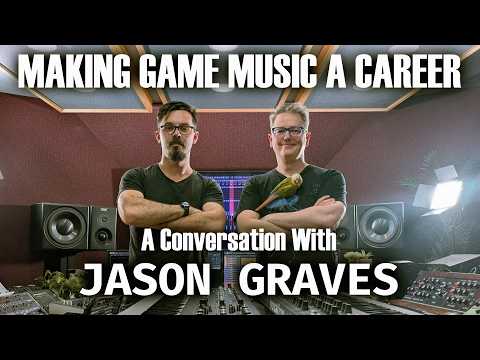
On YouTube the title is : "So You Want To Be a Game Composer" but for some reason that doesn't show here
I haven’t produced any video game music successfully but I am not an avid gamer and musician for all my life. I’ve been going to MAGFEST (Music and Gaming Festival) for over a decade so I’ve bumped elbows with a lot of people in the industry, seen more live video game music than the average bear, been exposed to really niche genres, and sat in on plenty of panels. By no means an expert in implementation but maybe not far off from exposure/theory.
I’d say these days it’s 100% about the game you’re writing for. You can have starting orchestral music like Halo or Mario Odyssey, classic tracker chip tunes for retro games, etc. Even then it’s hugely varied from game to game. The original Castlevania, Metroid, and Mario games follow gothic, sci-fi atmosphere, and fantasy respectively but all came out on the NES. Looping doesn’t necessarily have to be a rule - in Splatoon the final 30 seconds of a typical match is a set song, cut scenes can have a piece written for that scene, or any other timed event can make restrictions for the piece you’re writing.
To piggy back, writing for the gameplay moments is big. A chase scene is frantic and underwater levels are in 3/4 time could be some tropes to lean into. You can have the exposure to the music but good video game music is so deeply intertwined with the moment to moment gameplay.
One good piece of advice I heard is write music while watching lets plays. Mute the music itself and write according to the gameplay.
Look into Thumper - it’s an on rail rhythm game that’s very trippy, but the gameplay rhythm is literally tied to the music. The better you do, the better it sounds. I’m still amazed they pulled that game off as well as they did.
Nice overview of the game Journey which gets into universal aspects of the craft as well.
If you want to nerd out on the implementation/interactive elements (which I think is pretty much required these days as pros tend not to just hand over wav files or raw midi files anymore and actually get their hands dirty in engine) you could download Unity and FMod for free. Ultimately they tend to design interactive music systems that respond to gameplay, so knowing implementation is increasingly part of the job.
I had no idea Venus Theory had a course on the subject! Will buy it once my paycheck clears! $49 isn't bad at all I must admit.
Meanwhile, I'll be digging into all these videos posted here. You are all an awesome help. Thank you! ❤️
https://www.youtube.com/c/8bitmusictheory
Here's an entire channel around video game music theory that I'm a big fan of. I've been to a few of their panels.
Oh this is sweet! Thanks mate! Subscribed!
Here’s one of my favorite 8Bit Music Theory videos on Astral Observatory from Majora’s Mask
Here’s the song:
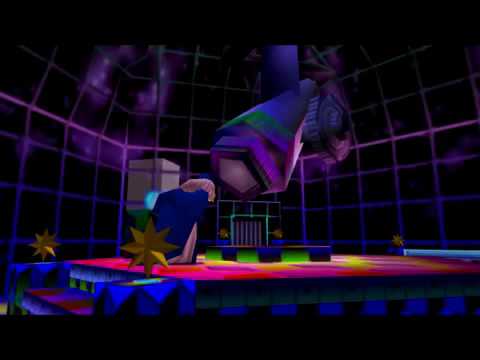
Beautifully haunting piece. For anyone who hasn’t played, the premise of the game is that there’s a three day countdown for the moon to crash into the planet. The gameplay loop has you going back in time to reset the counter and try to stop the apocalypse. And so the observatory is a location in the game that doesn’t serve too much purpose in progressing the main narrative but is more of a world building spot. It’s a tense atmosphere, and you can look to the skies through the telescope. At first the moon is distant, but as time progresses you end up staring at nothing but a grinning face on the moon that will inevitably wipe everything out. But the colors are gorgeous in the tower, and the observatory keeper is a wizardly old man. After so many Groundhog Day loops both you the player and likely the character start looking at the moon with a sense of awe instead of terror. Add in the literal passage of time and this location is absolutely nostalgic. There’s even the layer of this being a sequel about an alternate version of a legendary hero who is sent back in time to live his life out as a normal kid. A whole hero’s arc is pretty much reset and this boy has to grapple with the horrific things he’s witnessed and done and the observatory becomes a place of self reflection and nostalgia, happy and sad, but really haunting.
All this to say, the music is a massive part of the atmosphere. The sound font chosen and the structure of the piece encapsulates all of this perfectly. I can’t talk much on the theory and would direct to the video above for anyone interested. But it’s a magical virtual space and a great sound track really creates the mood in games.
Think moods and themes, how they connect etc. Even just the first few chapters of this was amazing for this idea for film music (but totally relevant to video game or other thematic music):
https://www.amazon.com/Music-Lord-Rings-Films-Comprehensive/dp/0739071572/ref=mp_s_a_1_1?crid=289UHWQXXIG4N&dib=eyJ2IjoiMSJ9._SU9iqlqaasN2ZURrEzHj3r7ya173X8WkK-9-VCm-jZ86isiLmsQ2nE9J71ZjFR0SjCfTqMEUm6lKFE-bHirEemX4_bgQfYnHI8awYyDtat-6kiupc4OFfS2Q6CFvpDxolieisZKuiN8PzO2dxpt0w.iOvoTyTBiP1hGiJLqq8DyfEmREIfSZqTDoyj6wAZSYk&dib_tag=se&keywords=doug+adams+lord+of+the+rings&qid=1766353041&sprefix=doug+adams+lor,aps,128&sr=8-1
Also, you may need loops inside of the long loop, that can easily move to other loops or motifs as something in the gameplay change (e.g. sadder, slower, fast paced, different enemy/ boss)
If I didn't purchase Aqeela Adam 's app collection (so far), I'd be able to get that book. Gotta wait until next month. Meanwhile, I'm curious about loops inside of a song loop and such like that. Would you be able to expand upon that a bit further?
I think a bit like @AudioGus mentioned. Interactive music with the gameplay.
There’s like main loops and then as things change, the music changes. A great implementation I noticed recently was in the latest Indiana Jones game. There’s a recreation of the first scene of Raiders, and as Indy approaches the idol, the music matches that of the film. HOWEVER, if you linger back a bit, the music sort of loops, barely noticeable, until you move toward the idol. Then the tension is heightened with the music shift. It only gets triggered as you move closer. And would get “de triggered” if you move back.
That is absolutely fascinating! I didn't think of it like that. I'm glad that Korg Gadget 3 offers the ability to export stems.
Can’t wait to see how you progress! Also thanks for the Nintendo Music tip - had no idea bout it.
I would say to watch some @Jamie_Mallender videos. He as succefully went from wanting to get his music in video game to working with a game developer .
@Jamie_Mallender is a legend! Going to watch his videos soon. ❤️
The games industry is like a door that’s shut firmly and there seems to be no way to open it. I thought that having toured and recorded with some famous names might’ve helped get some interest, like that may not be relevant but it might set me apart from the millions of laptop producers trying to get the same gig. It might have if any game devs had been interested in listening. Developers don’t want to Pissypants about trying new people who have no track record and may be flaky. What have you worked on? Nothing because nobody will give me a job. Well I’m not giving you a job either then. And so it goes in a perpetual cycle of frustration and disappointment. First thing I would ask you is, do you release your music? Do you put it out there across all social media platforms, tagging it and trying to reach people? I have a lot of videos on making music for games that already exist and then putting it out there as practice, reaching out. This can take ages but there’s a lot to learn. Sooner or later, the right tag or a fluke meeting, the planets align and you make a contact. You might do something for free or super cheap and then everything changes. You’re through the door and yes, there’s still a hard road to making proper money at it, but suddenly it feels viable. I’ve now got my music in 7 games. 6 are still in development. I’ve received some money, I don’t own a Porsche yet, but I’m in there and making my way up the ladder for which there is no guide, no rules, no HR or union. There are YouTubers who claim to be running courses on how to win at this stuff. I can’t knock that because I haven’t tried it but I haven’t gone down that road. My YouTube and my Patreon just follows my journey. I share the experiences and hopefully, maybe thats helpful. I’m still a small fish but as I learn, trip over my own feet, have small wins, I’m happy to put that out there.
@Jamie_Mallender : Could not be put any betrer than that .
I've been in the games industry for 30 years now. People ask me how to get in with what I do and I really have no idea. What works for one person likely doesn't work for another but I am pretty sure that nobody gets in these days without persistence. The gold rush flood gates are indeed gone.
As an outsider making a guess, I would have thought that the gaming industry would be among the first to go all in for 100 % AI-generated music, at least for the bulk part. No?
The AI-generated stuff would potentially have an edge to be easier to iterate on in a game using reactive music.
The algorithm and ratings are very important to the health of a game company. Any discovered use of AI is vehemently attacked by anti-AI gamers who are very vocal and active online.
Also, the degree of specificity in game music (the interactive component with multiple layers and having to live alongside sfx and dialogue etc) makes the current level of random slot machine auto-mashup AI pretty insufficient. There are imaging tools that are far more directable and usable. Companies use them but there is no advantage to disclosing their use and efforts are absolutely taken to cover their tracks.
No. As @AudioGus says, the specifics required by developers are not something AI can do and people are so precious about game music. Plus, there’s the danger with AI that it’s just regurgitating other people’s creativity and sometimes it comes out just too close to something else. A game developer doesn’t want the potential legal hassle.
That’s good to hear. For a moment I thought the gamers would be less concerned about AI usage, but that was just ignorance on my part.
That concern won't last long though. When kids start doing this stuff on their ipads then start stitching them together to make their own little movies and games etc. they will just see AI as something that made their childhood awesome. So 30 year old anti-AI gamers will sound like crusty old boomers yelling at clouds. Oh they grow up so fast!
https://www.youtube.com/shorts/GxXlQXDTF98
Seems tough to break into the game music industry if what I read above is correct. Then again, my plan is just to make music for "imaginary" videogames, build up a "portfolio", and maybe get in contact with some smaller Indie devs who make mobile games. You know, starting simple and working my way up.
Or, if nothing else, at least make a little side change in an attempt to try and make music for mobile games. Right now I'm in "learning and practicing" mode.
I would recommend shooting for Indie devs on Steam (mobile games are a terrible ghetto, worked in it for over 12 years) and rather than imaginary videogames, look at existing games, become fans of them (even if it is just from watching youtube videos of people playing) and then shoot the devs a message on linked in to promotional EP being sure to point out a track specifically inspired by their game. Never hurts to even make a quick video with a narrative voice over where you explain your process and thinking in relation to their game. Don't bet the farm and / or dedicate your whole life to these little one shots but it is these types of gestures that really help to cut through the noise. Get creative about how to make personal connections with people. Lots of games make expansions, similar sequels etc. so even if they have a product out there is potential for something in the future and you can align with their vibe. And also, typically with styles and tones where there is one there are many so getting involved with these at a community level even is a huge asset. Post it on their discords etc. if they have them. Don't be a pest, buh ahh, you know how to network. Hehe, damn now you got me wanting to try.
Thanks for the solid advice, mate! And, you should give it a try too. Best of luck to both of us!
I found just being a fan of games was ultimately the way in. Just find spaces online or even, in real life where developers hang. Play games, love games, talk to developers about their games, mention music at some point just not right up front. Never ever cold e-mail a dev, you’ll get the door in the face faster than a Jehovah’s Witness on Christmas Day.
Email certainly leads to dead ends but Linked In cold contacts can definitely work if you build up a bit of presence.
I was hesitant to purchase the course by Venus Theory, and I purchased a course by Karleen Heong from Udemy for $12 USD (down from some higher price like $80) instead. She uses FL Studio as the main DAW, which was my main DAW before I went 100% iOS, so pretty easy for me to follow along with. She also covers adaptive game music in software like FMod, making music for triple-A games, mobile games and other games, and other topics I really want to know about.
Before that advanced stuff though, she covers the basics of music theory (which I admittedly would love to become reacquainted with despite me already knowing most things like the back of my hand) as well as advanced music theory. Finally, she has practical exercises for "making a character theme", "make this type of music for this theoretical game", etc, for getting into the swing of things.
In short - I found myself a practical no-bullshit jumpstart to start learning from.